
When cold and flu season arrives, most of us focus on staying comfortable and getting better quickly. However, many people don’t realize that being sick can significantly impact their oral health. Understanding how illness affects your teeth and knowing the right steps for dental care during cold and flu season can help you maintain a healthy smile even when you’re under the weather.
How Does Being Sick Affect Your Oral Health?
Does being sick affect your oral health? Absolutely. When you’re battling a cold or flu, several factors can compromise your teeth and gums. Dehydration from fever reduces saliva production, leading to dry mouth—a condition that allows bacteria to thrive. Mouth breathing due to nasal congestion also dries out your mouth, creating an environment where harmful bacteria multiply more easily.
Additionally, many people experience bad breath when sick, which is often related to dry mouth, postnasal drip, and sinus pressure. These symptoms not only affect your comfort but can also impact your oral health if left unaddressed.
The Hidden Dangers of Common Remedies
While you’re focusing on feeling better, some common cold and flu remedies can actually harm your teeth. Cough drops and lozenges often contain high amounts of sugar, which feeds the bacteria in your mouth. Opt for sugar-free lozenges whenever possible to minimize this risk.
Cough syrup and other liquid medicines typically contain sugar and acids that can lead to acid erosion of your tooth enamel. If you must take these medications, try to rinse your mouth with water afterward, and consider taking them at times when you’ll be brushing your teeth within a reasonable timeframe.
Protecting Teeth When Sick: Essential Tips
Taking care of your oral health when sick requires some adjustments to your normal routine. Here are the most important strategies for protecting teeth when sick:
Stay Hydrated
Drinking plenty of water is crucial for your overall recovery and your oral health. When you stay hydrated, you support healthy saliva production, which naturally cleanses your mouth and protects against decay. Keep a water bottle nearby and sip throughout the day.
Use Rinses Strategically
A saltwater rinse can soothe your throat while also cleansing your mouth. Mix half a teaspoon of salt in warm water and swish gently. A baking soda rinse can also help neutralize acids in your mouth—simply mix one teaspoon of baking soda in a glass of water.
Special Considerations for Vomiting
If you’re dealing with stomach flu or nausea, you might wonder: Should I brush my teeth after throwing up? The answer requires caution. Vomiting exposes your teeth to powerful stomach acids that temporarily soften your enamel. If you brush immediately, you risk causing enamel damage.
Instead, wait to brush after vomiting for at least 30 minutes. In the meantime, rinse your mouth with water or a baking soda rinse to neutralize the acid. This simple step can prevent serious harm to your tooth enamel while still freshening your mouth.
How to Take Care of Your Teeth When You Have the Flu
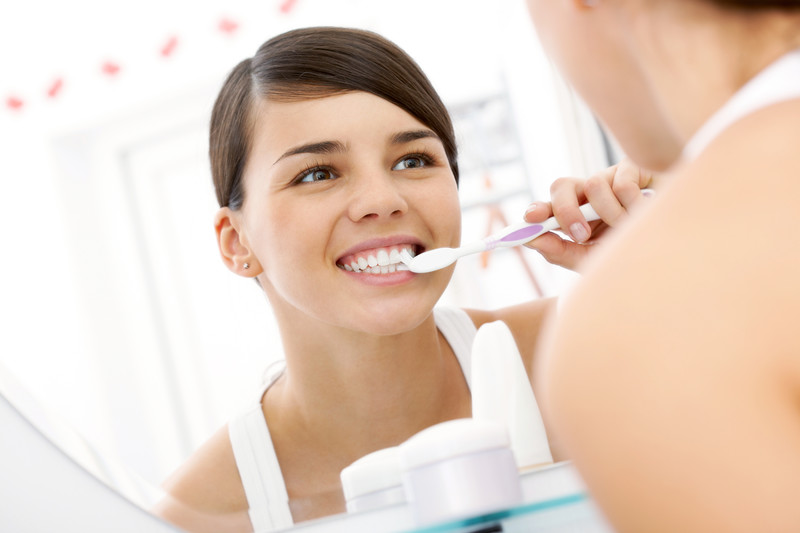
Maintaining your dental care routine is important even when you feel terrible. Practice gentle brushing to avoid irritating sensitive gums, and don’t skip flossing if you can manage it. Remember that your immune system is already compromised, so keeping bacteria levels low in your mouth supports your overall health.
Once you’re feeling better, replace your toothbrush to avoid reinfecting yourself with lingering germs. This simple step is often overlooked but can make a real difference in preventing relapse.
When to Contact Your Dentist
If you experience persistent dental pain, sensitivity, or other concerns during or after being sick, don’t hesitate to reach out to our team at Hedgecock Dental. Dr. Hedgecock and our staff provide comprehensive general dentistry services to address any oral health issues that may arise.
For those who haven’t visited us before, we make it easy to get started with our new patient process. Call us at (512) 892-2273 to schedule an appointment or ask questions about dental care during cold and flu season. Taking care of your oral health when sick is just as important as treating your other symptoms—and we’re here to help you do both successfully.