

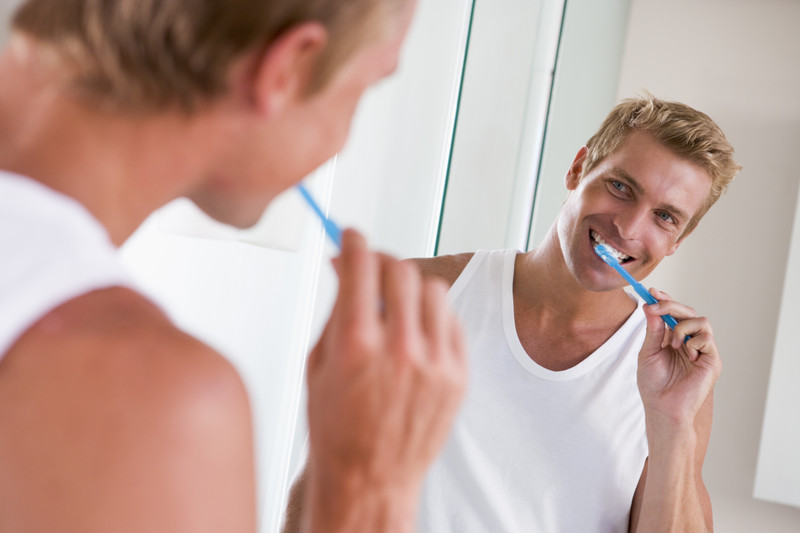
Let’s be honest—most New Year’s resolutions fizzle out by February. But when it comes to dental health resolutions, the stakes are too high to let another year slip by with the same old habits. The good news? Improving your smile doesn’t require a complete lifestyle overhaul. With these five oral health resolutions and some smart strategies, you can finally achieve those new year dental goals that actually stick.
Start With Realistic Goals That Fit Your Life
The biggest mistake people make with oral health resolutions is setting the bar too high too quickly. Instead of vowing to floss three times a day starting January 1st, focus on small changes that won’t overwhelm you. If you’re not currently flossing at all, commit to flossing daily just three times per week at first. Once that feels natural, increase the frequency in increments until you’re flossing daily. This approach to how to improve dental health in the new year is much more sustainable than trying to be perfect overnight.
Think about what’s actually achievable given your schedule and current habits. Setting realistic goals means you’re far more likely to still be following through in June—and beyond.
Master the Art of Habit Stacking
Here’s one of the best dental health tips for the new year: attach your new oral care habits to existing routines. This technique, called habit stacking, works because you’re building on behaviors that are already automatic.
Try these combinations:
- Floss right after you plug your phone in to charge
- Brush your teeth immediately after washing your face
- Use mouthwash while you’re waiting for your shower to warm up
- Keep floss picks in your car for use during your commute (while parked, of course!)
By connecting new dental habits to established routines, you’ll find that brushing twice a day and flossing daily become second nature much faster.
Upgrade Your Tools for Better Results
Sometimes the secret to cavity prevention and gum disease prevention isn’t just about doing more—it’s about doing it better. If you’re still using a manual toothbrush and traditional floss, consider upgrading your arsenal. An electric toothbrush removes significantly more plaque than manual brushing, and a water flosser can make cleaning between teeth easier and more effective, especially if you have braces or dental work.
Make sure you’re also using fluoride toothpaste, which strengthens enamel and helps prevent decay. These easy dental habits to start this year can dramatically improve your results without requiring more time or effort.
Create a Non-Negotiable Nighttime Routine
Your nighttime routine is arguably your most important oral care schedule opportunity. Bacteria multiply rapidly while you sleep, making bedtime brushing and flossing critical for healthy gums and fresh breath. Set a specific time each evening for your dental care—not “whenever I get around to it,” but an actual appointment with yourself.
Keep all your supplies in one convenient location, and consider setting a phone reminder until the habit becomes automatic. Many people find that completing their nighttime routine immediately after dinner, rather than waiting until bedtime, makes it easier to stick with consistently.
Build In Accountability With Professional Support
Here’s the resolution that ties everything together: schedule your biannual checkups right now for the entire year. Having these appointments on your calendar creates built-in accountability for your daily habits. Plus, regular visits to our general dentistry team at Hedgecock Dental help catch small issues before they become big problems, keeping you motivated to maintain your progress.
Dr. Hedgecock and our team can also provide personalized guidance on how to improve dental health in the new year based on your unique needs and challenges. Don’t wait—call us at (512) 892-2273 to book your appointments today and make this the year your dental health resolutions actually stick.